Paediatric Cancer Treatment
The first question most parents ask is how serious this is. The better question is what the treatment plan looks like. Paediatric cancer treatment is planned by a paediatric oncology team, and the plan depends on the type of cancer, where it started, and your child's age and health. Radiation therapy is one part of that plan, and Dr. Karan's role is planning and delivering it. This page explains the main options and how the team decides between them.
Reviewed by Dr. P. Vijay Karan Reddy · Radiation Oncologist ·
Last updated October 2026
Paediatric cancer treatment usually combines chemotherapy, surgery, radiation therapy, and for some cancers, targeted therapy or immunotherapy. A paediatric oncology team leads overall care and chooses the mix based on the cancer type, its stage, and the child's age and health. Many childhood cancers respond well to treatment today. The team reviews each step with the family before it starts.
Dr. Karan Explains Your Treatment Options
In this short video, Dr. Karan walks through how a treatment plan is built, what each option involves, and what to expect from your first consultation.
How Paediatric Cancer Is Treated
What does treatment actually look like for a child? Most children with cancer receive more than one type of treatment. Chemotherapy is the backbone for many childhood cancers. Surgery removes the tumor where it can be done safely. Radiation therapy is used when the cancer needs it and the benefit outweighs the effect on a growing body. The pediatric oncology team weighs what the cancer is, where it started, and how far it has spread before deciding the mix.
Dr. Karan plans and delivers the radiation part himself, always alongside the other treatments and never in isolation. That way every pediatric oncology treatment decision fits the whole plan, not just one piece of it.
Treatment Options for Cancer in Children
Most children need more than one of these. Here's what each one does.
Chemotherapy
Medicines that travel through the body to reach cancer cells. This is the backbone of treatment for many childhood cancers. Given in cycles over months, and doses are adjusted to the child's size and blood counts.
With the paediatric oncology teamSurgery
Removes a tumor when it can be taken out safely. Surgeons aim to remove as much as possible while protecting nearby organs. Surgery is often followed by other treatment when the cancer was high risk.
With partner paediatric surgeonsRadiation therapy
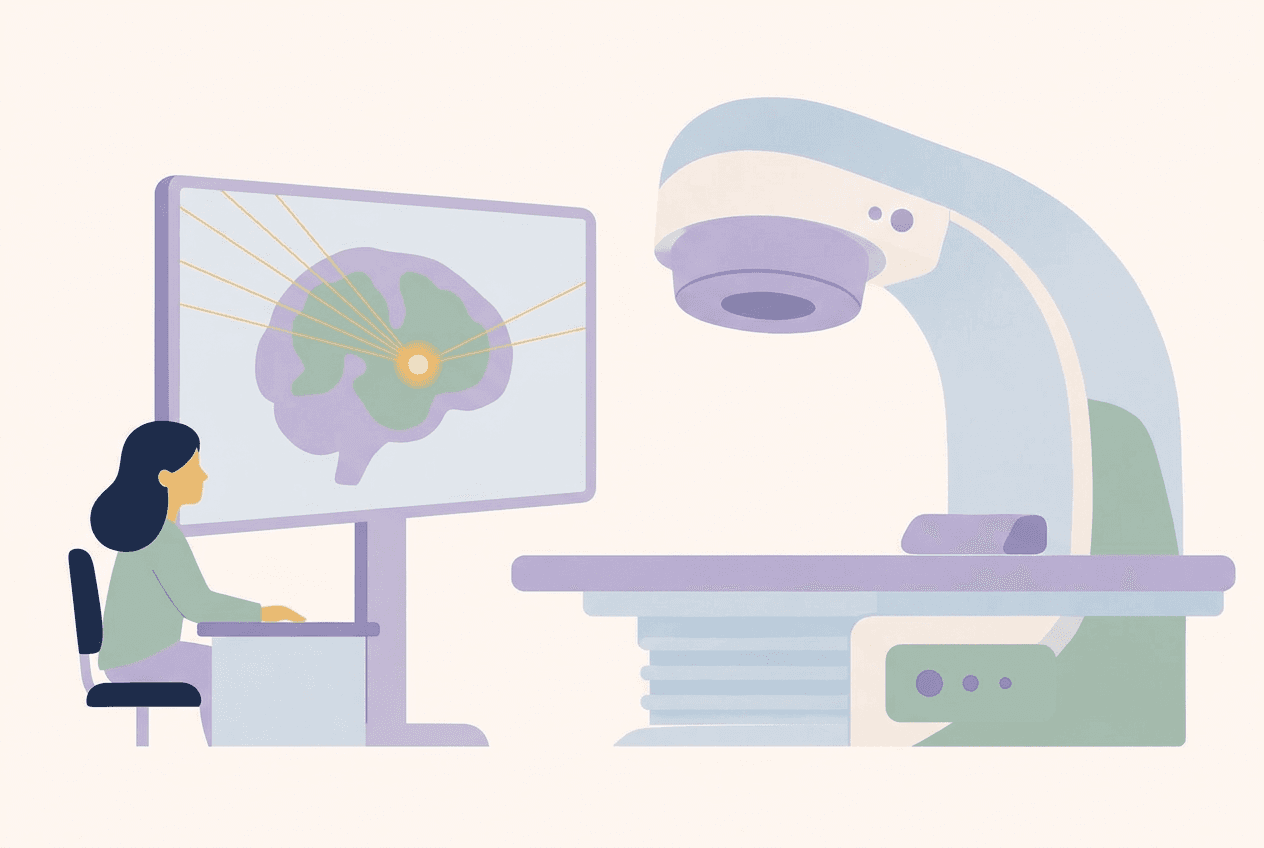
Focused, high-energy beams that destroy cancer cells in one area. IMRT with IGRT is used for every child, and proton therapy is preferred where possible, mainly for brain and spinal tumors. It's used for selected cancers and situations, not as a default.
Delivered by Dr. Karan ReddyImmunotherapy
Trains the immune system to recognize cancer cells. Some children with neuroblastoma receive antibody treatments as part of their plan. Availability depends on the cancer type and the treating center.
With partner specialistsCAR T-cell therapy
Modifies a child's own immune cells in a lab so they target leukemia. It's used mainly for some children whose leukemia has returned or didn't respond to standard treatment. Only specialist centers offer it.
Discussed case by caseTargeted therapy
Drugs that act on specific changes inside cancer cells. Some childhood tumors carry changes a targeted drug can address. Testing the tumor shows whether this applies to your child.
Discussed case by caseNot sure which treatment fits your child's cancer? Let's review the scans together.
Paediatric Cancer Treatment by Cancer Type
Each childhood cancer follows its own protocol. These are the usual starting points.
Leukemia
Chemotherapy is the main treatment, given in phases over a long course. Radiation may be used in selected cases, including to protect against spread to the brain. If leukemia returns, the team may consider CAR T-cell therapy or a transplant.
Brain and spinal cord tumors
Surgery is usually the first step where it can be done safely. Chemotherapy is often used to delay radiation in very young children. Radiation is planned with great care because the developing brain is sensitive.
Neuroblastoma
The plan depends on the risk group. Surgery and chemotherapy are the foundation, and high-risk disease may add radiation and antibody immunotherapy. Your team will explain which group applies to your child.
Wilms tumor
Most children are treated with surgery and chemotherapy, with radiation added for some. Outcomes are often very good when treatment starts early. The plan depends on stage and tumor features.
Sarcomas
Chemotherapy and surgery are central, and radiation is often used when surgery can't remove everything. Rhabdomyosarcoma and Ewing sarcoma follow different protocols. The paediatric sarcoma team sets the plan.
Why Choose Dr. Karan for Radiation Therapy
Radiation oncology training
Dr. Karan Reddy has practiced radiation oncology for 11 years and has treated about 150 children with radiation. Radiation is planned as one part of a wider paediatric team.
Child-focused planning
Radiation plans for children are built to protect growing organs. Dr. Karan uses IMRT with IGRT for every child. Proton therapy is preferred wherever it's possible, mainly for brain and spinal tumors, because it spares more healthy tissue.
Team-based decisions
Every case is reviewed at a tumor board held once a week at Apollo Hospital, Financial District, Hyderabad. Paediatric, surgical, medical, and hemato-oncology specialists (including bone marrow transplant) take part, so the advice isn't biased toward any one specialty.
Clear communication
Each step is explained in plain words, and parents can ask questions at every visit.
Dr. Karan would rather a family ask five questions than sign off on a plan they don't understand.
What to Expect, Step by Step
- 01
Consultation and report review
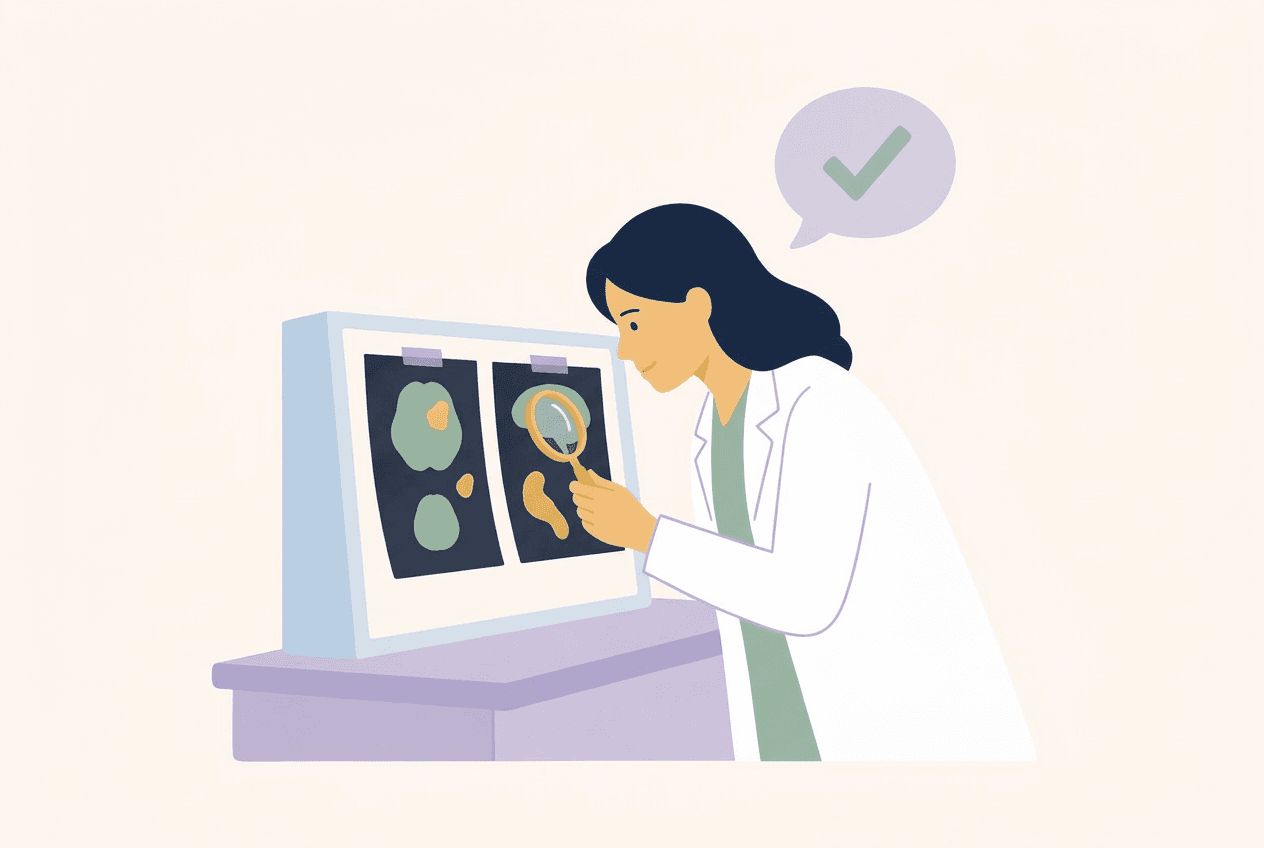
Bring every scan, pathology report, and blood test. Dr. Karan reviews them with the paediatric oncology team and explains the diagnosis in plain words.
- 02
Tumor board
Oncologists, surgeons, pathologists, and radiation oncologists discuss the case together at the weekly tumor board. The plan is confirmed the same day and explained to you before treatment starts. It weighs your child's physical, mental, and social needs, and aims for the best result with the fewest side effects.
- 03
Simulation and planning
Your child has a short planning scan in the treatment position, then the dose plan takes a few days to prepare. Young children are mainly given sedation so they stay still and calm. Comfort masks help too. The first session usually starts about 2 days after the planning scan.
- 04
Treatment sessions
Sessions are usually given on weekdays over several weeks. Most are short, and families can often stay nearby.
- 05
Follow-up
Check-ups track recovery, growth, and any late effects, with scans and blood tests on a schedule.
Side Effects and How They're Managed
Will treatment affect how your child grows? Sometimes, which is why follow-up continues long after the last session.
Worried about side effects? Dr. Karan will walk you through what to expect for your child.
Rehabilitation and Supportive Care
Treatment is one part of your child's care. Growth, school, and family life need support too.
What Paediatric Cancer Treatment Costs in India
What drives the cost
Type and stage
The cancer type and stage decide the plan. More complex treatment means more sessions, more medicines, and longer hospital stays.
Length of the course
Chemotherapy can run for many months, and each cycle adds medicine and monitoring charges. Standard radiation usually costs ₹2.5 to 4.5 lakh, depending on the technique. Proton therapy costs more, at about ₹15 to 20 lakh.
Supporting care
Hospital stays, sedation for young children, supportive care, and any surgery or transplant each add to the total, so ask for an itemized estimate.
Many insurers cover childhood cancer treatment, but policies differ on radiation, medicines, and pre-authorization. Ask for a written estimate and check coverage before treatment starts.
Real Patients, Real Stories
Already have a plan for your child? Get a second opinion before the next step.
Questions to Ask Your Oncologist
Bring these to your child's next appointment, with Dr. Karan or anywhere else.
- What type of cancer does my child have, and at what stage?
- Which treatments do you recommend, and in what order?
- Which parts of the plan does each team member lead?
- Is each treatment aiming for cure, control, or symptom relief?
- How will you track growth, learning, and health after treatment?
- Which reports or tests should we bring to the next visit?
Questions Patients Ask Us
Chemotherapy, surgery, and radiation therapy are the most common, and they're often used together. Some cancers also use targeted therapy or immunotherapy.
Chemotherapy uses medicines to kill fast-growing cancer cells, given in cycles over weeks or months. Doses are adjusted to each child's size and blood counts.
Radiation therapy uses focused beams to destroy cancer cells in one area. It's used selectively, and the plan protects growing tissue as much as possible.
About 85% of children and teens with cancer now survive five years or more, according to US National Cancer Institute data from 2013 to 2019. The figure varies by cancer type and risk group, so ask your child's team for numbers that fit their diagnosis.
CAR T-cell therapy modifies a child's own immune cells to target leukemia. It's used mainly for some children whose leukemia has returned or didn't respond to standard treatment.
Surgery removes the tumor when it can be taken out safely. It's often followed by chemotherapy or radiation to lower the chance of return.
Clinical trials test new treatments and can give some children access to options not yet widely available. Your team can check whether your child's cancer matches an open study.
Doctors weigh the cancer type, stage, genetic features, and the child's age and health. The best pediatric oncology treatment is the plan that fits all of these, reviewed by specialists before it starts.
Related Pages

Get a Clear Plan for Your Child's Treatment
Every child's cancer is different, and a plan made for one family may not suit another. Send your child's reports, and Dr. Karan will help you understand the options before the next appointment. There's no pressure to decide anything on the first call.

Written & reviewed by Dr. P. Vijay Karan Reddy ·
Radiation Oncologist · Last reviewed October 2026