The Technology Behind Your Treatment
Radiation therapy isn't one machine, it's a toolkit. Image-guided systems, proton beams, and precision planning software work together so treatment reaches the tumor accurately while protecting the healthy tissue around it. This page explains, in plain language, how the right technology gets chosen for you.
Reviewed by Dr. P. Vijay Karan Reddy · Radiation Oncologist ·
Last updated October 2026
Dr. Karan's team uses two flagship technologies, Image-Guided Radiation Therapy (IGRT) and Proton Beam Therapy, alongside IMRT, SRS, and SBRT, chosen case by case. You don't pick the machine yourself: a tumor board matches technology to your specific diagnosis, tumor location, and treatment goals.
How the Right Technology Gets Chosen
Every Case Goes Through a Tumor Board
This multidisciplinary review happens before every course of radiation at our center, regardless of which technology is ultimately used.
Comparing Our Treatment Technologies
A quick side-by-side of what each technology treats, how it works, and what to expect. Full detail lives on each technology's own page.
Explore Each Technology
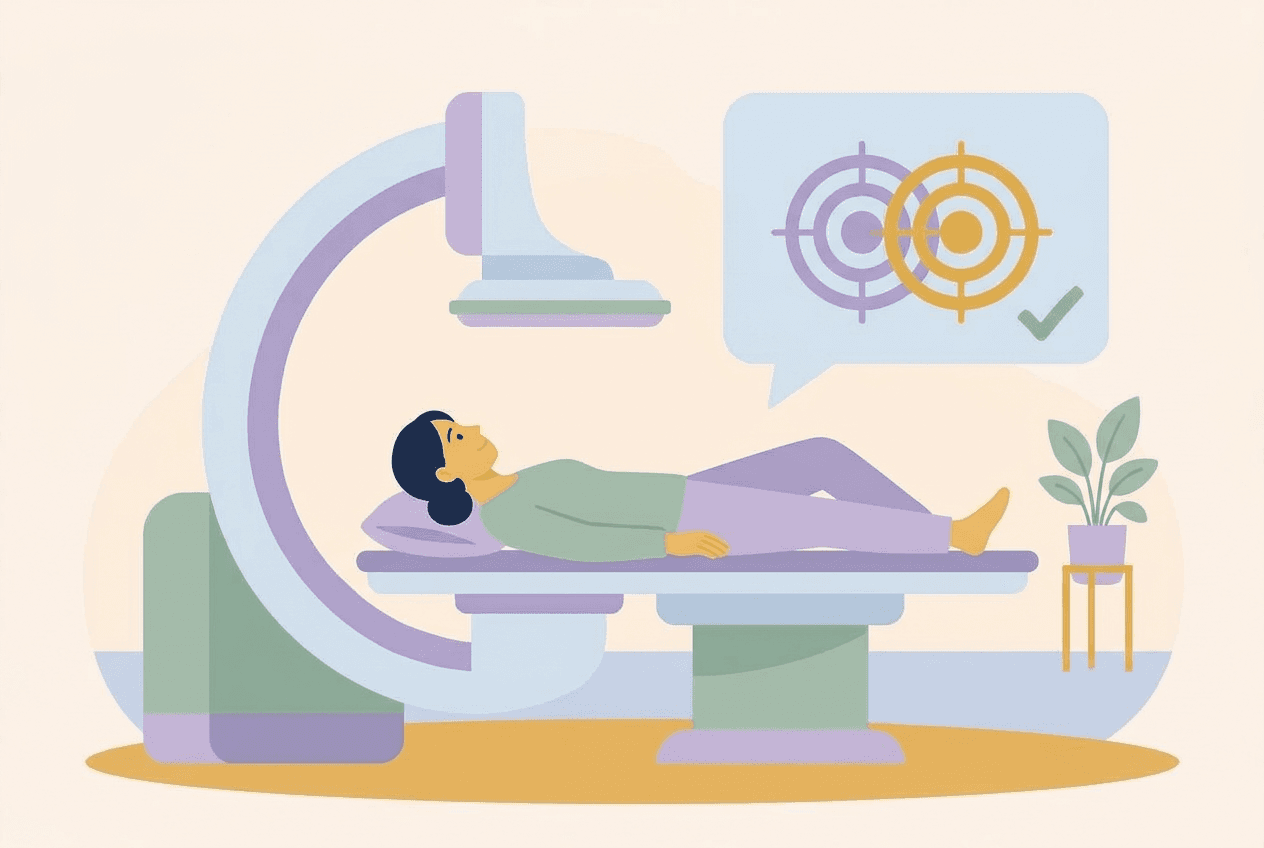
How does IGRT keep radiation on target?
- Daily imaging captures your exact position before every session
- Your care team corrects for small shifts before the beam turns on
- Adaptive tracking follows tumors that move with breathing or daily changes
- Millimeter-level accuracy keeps the dose off healthy tissue nearby
What to Expect: The Treatment Pathway
Explore Further



Questions Patients Ask Us
Not for everyone. Protons stop at the tumor, which matters most for children and tumors near critical structures. For most adult cancers, IMRT works as well at a fraction of the cost.
IGRT is a way of aiming: scans before each session confirm where the tumor sits. SBRT is a treatment that gives very high doses in 1 to 5 sessions, and it relies on IGRT to stay on target.
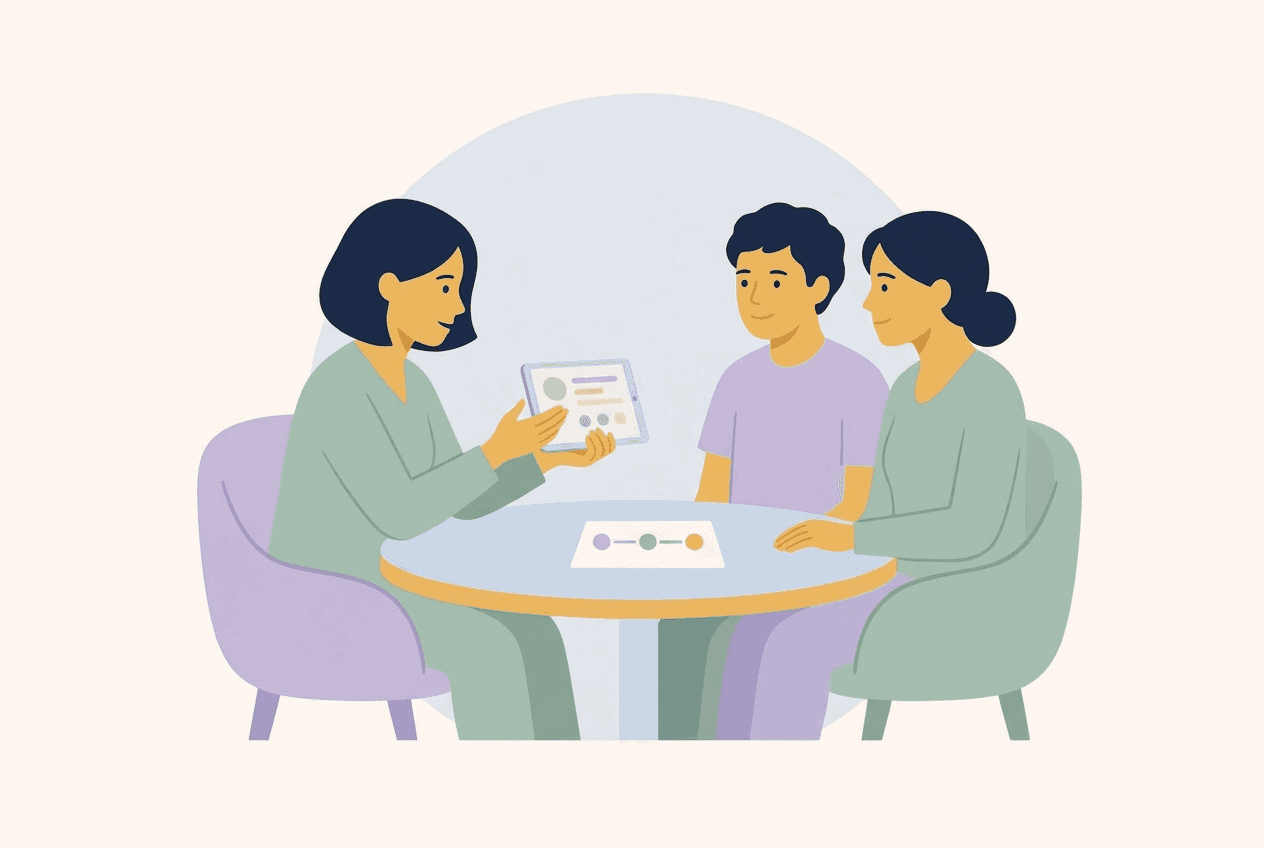
You don't have to choose alone. A weekly tumor board matches the technology to your diagnosis, and Dr. Karan explains the reasoning, so you can ask questions or get a second opinion.
No. Chemotherapy can be the main treatment, or given before or after surgery. It's paired with radiation for cancers like head and neck, cervical, rectal, lung, and some brain tumors.
It depends on the technology and the cancer. SBRT and SRS take 1 to 5 sessions, while IMRT and IGRT courses usually run 15 to 33 weekday sessions, about 3 to 6 weeks.
No. The radiation is painless with every technology, much like an X-ray. Any discomfort comes from lying still, and stereotactic sessions simply run a little longer, up to 15 minutes.
It means the machine scans you, usually with a cone-beam CT, right before each session. The team compares it with your planning scan and moves the couch if the tumor has shifted.
Ready to Understand Your Options?
Every treatment plan starts with a conversation. Reach out and Dr. Reddy's team will walk you through which technologies apply to your case and what happens next.

Written & reviewed by Dr. P. Vijay Karan Reddy ·
Radiation Oncologist · Last reviewed October 2026